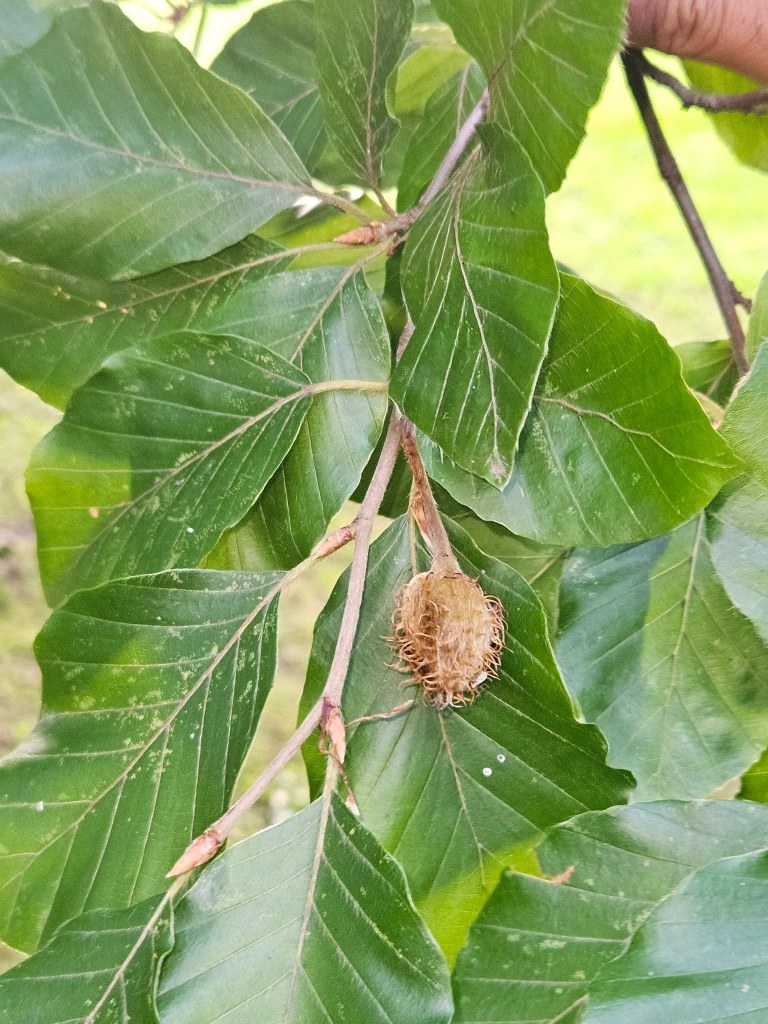
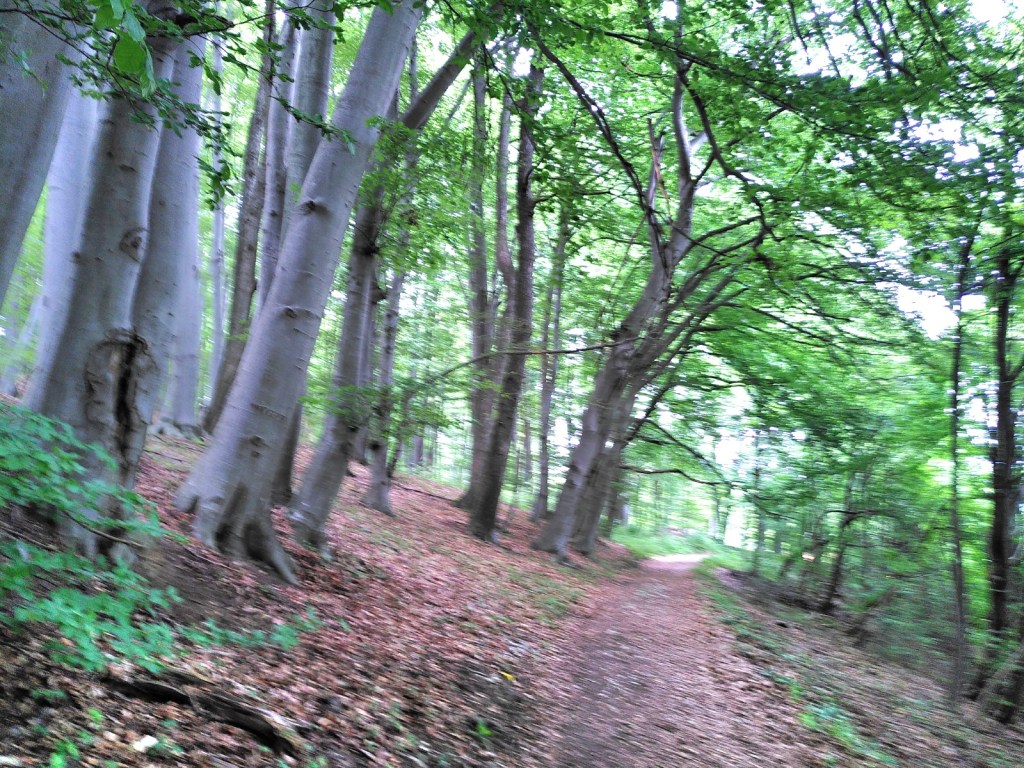
Modal silk is a luxurious, eco-friendly fabric derived from the fibers of Fagus sylvatica L. (Fagaceae), commonly known as beechwood, a tree native to Europe. As a regenerated cellulose fiber, it closely imitates the softness, sheen, and elegant drape of natural silk. Known for its exceptional softness, breathability, durability, and excellent color retention, modal silk has become a popular choice for garments and sarees. It is also generally more affordable than pure silk and more sustainable to produce.

Characteristics of Modal Fiber:
Modal fiber offers a rich, silky feel and a natural luster comparable to real silk. Highly breathable, it ensures comfort across various climates. The fabric is strong, durable, and resistant to pilling, and it absorbs dyes efficiently, resulting in vibrant and long-lasting colors.
The production process involves breaking down beechwood pulp and spinning it into fibers, which are then woven into fabric. Since it is made from a renewable resource, modal is regarded as an environmentally responsible textile option.
The modal available in today’s market primarily includes LENZING Modal, produced by the Austrian company Lenzing, and Formotex Modal, manufactured by Taiwan’s Chemical Fiber Corporation (FCFC). Other well-known varieties include Bilra Modal and Bilra Modal Micro from Thailand’s Thai Rayon, as well as Bilra Modal Micro produced by India’s Grasim. Due to variations in manufacturing processes, modal fibers from different companies exhibit distinct surface characteristics.
Modal silk is widely used in both casual and formal clothing. It is especially popular for crafting sarees, which are available in various styles, including block-printed and Ajrakh designs. Lenzing Modal’s pulp comes from Austrian beech trees that are about 10 years old.
The following section provides a brief overview of the key characteristics and identification methods of Lenzing Modal, Formotex Modal, and Lyocell fibers commonly available on the market.
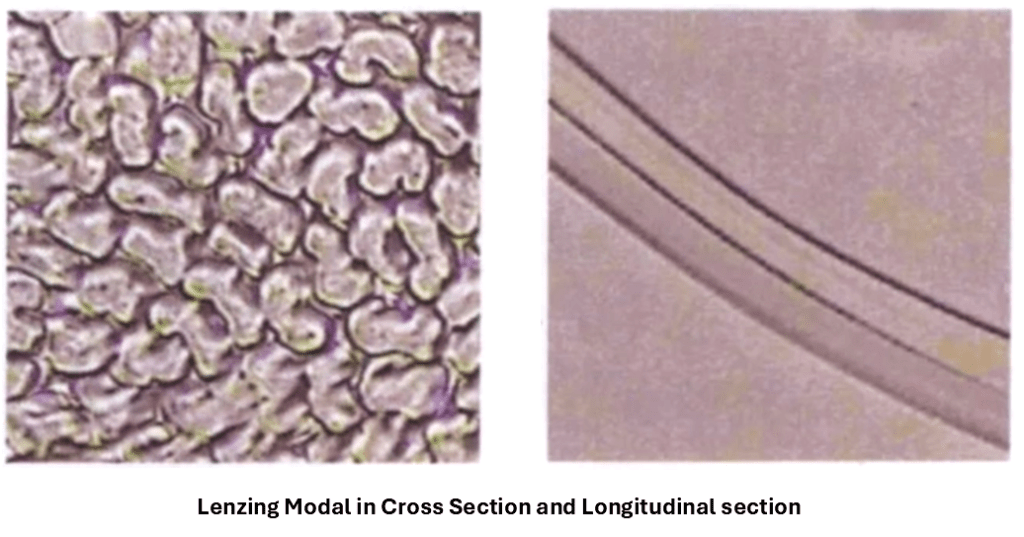
Under the microscope, Lenzing Modal shows a dumbbell-shaped cross section with no central cavity, while its longitudinal surface appears smooth with one to two grooves. At room temperature, Modal is dissolved after 5 minutes of treatment with 59.5% sulfuric acid and 37% hydrochloric acid reagents. (Ref. https://bostonscrub.com/)

Information compiled from various sources by Dr. Suchandra Dutta (greenneev.mumbai@gmail.com)


 GreenNeev Environmental Foundation
Leave a reply to Bindu Gopalkrishnan Cancel reply